October 4, 2026 Post by : Editorial Craft
The Art of the Tavern Scene: Where Stories Begin and End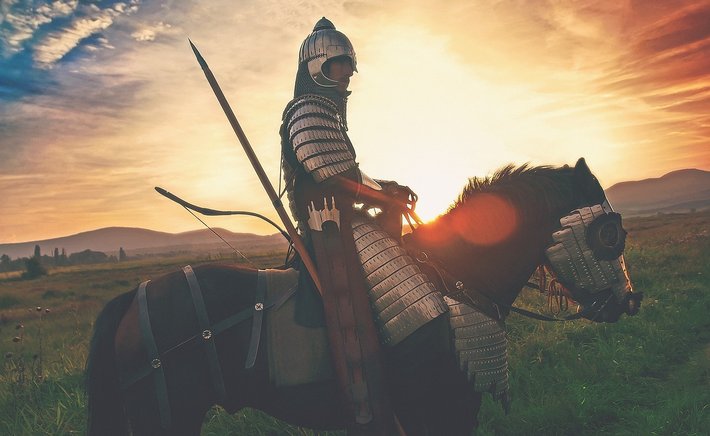
Pick up a real longsword and the first thing you notice is not the balance or the gleam. It is the weight. A functional medieval blade runs somewhere between two and four pounds, which sounds trivial until you hold it at arm's length for more than a minute. Your wrist starts to complain. Your shoulder follows. By the time you have thrown a dozen cuts, you understand why historical fencing manuals spend so much time on footwork and so little on spinning.
This is the gap that sinks a lot of sword-and-sorcery prose. The hero whirls through six guards, decapitates a troll, and then delivers a witty line, all without breathing hard. The reader may not know a longsword from a letter opener, but they know exhaustion. They know what their arms feel like after carrying groceries up three flights. When your fighter never tires, the fight stops being a fight and becomes a dance recital.
Fatigue Is Your Best Dramatic Tool
Treat stamina as a resource the way a game designer would. Your protagonist starts the scene with a full tank, and every exchange drains it. The first parry is crisp. The fifth is sloppy. The tenth comes with a grunt and a stumble. By the climax, the question is not whether the hero is skilled but whether they can lift the blade one more time.
This also solves a common pacing problem. New writers often end fights too quickly because they have nothing to fill the space except more swings. Fatigue gives you beats: the moment of circling, the desperate backstep, the decision to drop the shield because the arm is done. A duel becomes a conversation about willpower, and the reader leans in.
Consider what armor does to this equation. Chainmail distributes weight across the shoulders and hips, but it still adds twenty to thirty pounds. A knight who has been fighting for ten minutes in the sun is a different creature than the fresh one who entered the lists. Let your characters sweat. Let them fumble a buckle. Let the villain win a round simply because the hero's grip has gone weak.
Specificity Beats Spectacle
You do not need to name every guard position or cite a fencing treatise to write a convincing blade. You need one or two concrete details that anchor the scene in physical reality. The way a crossguard catches the light. The sound of steel on steel, which is closer to a clang with a ringing tail than the clean shing of the movies. The smell of oil and old leather from a scabbard.
Use those details sparingly. A paragraph of technical choreography reads like a manual. A single line about the hero's knuckles going white on the grip does more work than three sentences of footwork. The goal is not to teach the reader how to fence. It is to make them feel the strain in their own arms.
Magic complicates this in interesting ways. If a sorcerer can enchant a blade to weigh nothing, that is a gift, but it should also be a cost. Maybe the enchantment dulls the edge. Maybe it drains the wielder's warmth. The best sword-and-sorcery stories treat magic as another kind of weight, one that presses on the soul instead of the shoulder. When your hero finally wins, the reader should feel every ounce they carried to get there.


Author

22 feb,2025
This incident opened my eyes to the value of Insurance in general, so I decided to examine my personal and business insurance.

Comment (3)
The payments are made directly from one person to another without passing through a central bank or clearing house.
22 feb,2025
ReplyBlood on the Snow: Writing Fight Scenes That Hurt
23 feb,2025
ReplyThe Cartographer's Lie: Why Your Fantasy Map Should Be Wrong
23 feb,2025
Reply