September 19, 2026 Post by : Editorial Craft
The Villain's Sword Is Smarter Than Yours: Writing Antagonists Who Deserve Their Reputation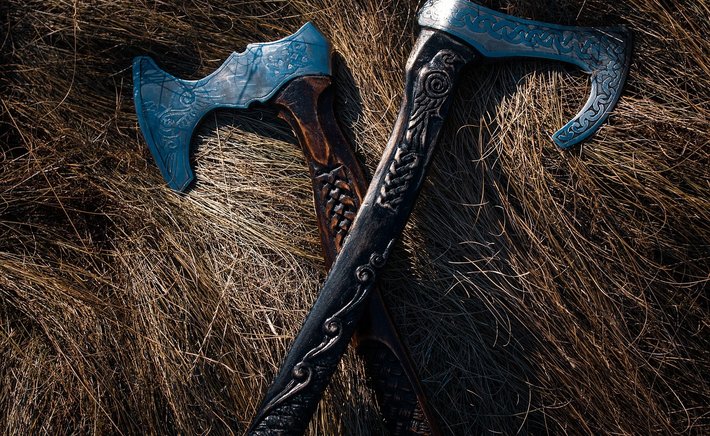
Most fantasy fight scenes read like a dance recital. Two warriors trade elegant blows, neither lands a scratch for three paragraphs, and the hero wins with a clever flourish that nobody saw coming. The problem isn't the choreography — it's the stakes. Readers don't fear a blade that never lands, and they don't respect a hero who walks away without a limp.
If you want combat that makes readers grip the page, you have to let the fight draw blood. Not just from the villain. From your protagonist, from the people they're protecting, from the cost of winning at all. Here's how to build fights that leave marks.
Start With What's at Stake, Not What's in Hand
Before you choreograph a single swing, decide what each fighter loses by being here. A duel to first blood is a different scene than a duel to the death. A farmer defending his family fights differently than a knight defending his honor. The weapons matter less than the reasons.
Try this exercise: write the fight as a negotiation. Each combatant wants something, and each blow is an argument. When your hero parries, they're saying no, you won't take this from me. When the villain presses forward, they're saying I already have. That tension carries the scene even if the swords are dull.
Once the stakes are clear, injuries become meaningful. A cut to the hand isn't just gore — it's a consequence. A sprained ankle in the first exchange changes the entire rhythm of the fight. Readers notice. They start counting the hero's remaining options.
Choreograph in Beats, Not Blows
Nobody wants a blow-by-blow account of a five-minute brawl. What they want is the turning points. Think of a fight as a series of three or four beats: the opening exchange that establishes the imbalance, the middle where someone adapts, the setback that nearly ends it, and the resolution. Between those beats, you can summarize.
"They circled for a long minute, testing each other's reach" does more work than three paragraphs of feints. Save your detailed choreography for the moments that change the fight. The first blood. The moment the hero's sword sticks in a shield. The desperate lunge that ends it.
And let your characters be bad at this. A trained knight should fight like one — economical, patient, brutal. A blacksmith pressed into a brawl should swing like he's hammering iron, all force and no finesse. The mismatch in style is where the drama lives.
Finally, let the fight end badly. Not every victory should be clean. Your hero might win the duel and lose the use of their sword hand for a month. They might survive the ambush and carry the dead weight of the man they killed for the rest of the chapter. That's the difference between a fight scene and a story beat — one ends when the swords drop, the other keeps going.


Author

22 feb,2025
This incident opened my eyes to the value of Insurance in general, so I decided to examine my personal and business insurance.




Comment (3)
The payments are made directly from one person to another without passing through a central bank or clearing house.
22 feb,2025
ReplyBuilding a Medieval City That Breathes: Streets, Smells, and Sound
23 feb,2025
ReplyMagic With a Cost: Designing Sorcery That Feels Dangerous
23 feb,2025
Reply