October 1, 2026 Post by : Editorial Worldbuilding
Writing the Reluctant Hero Without Making Them Whiny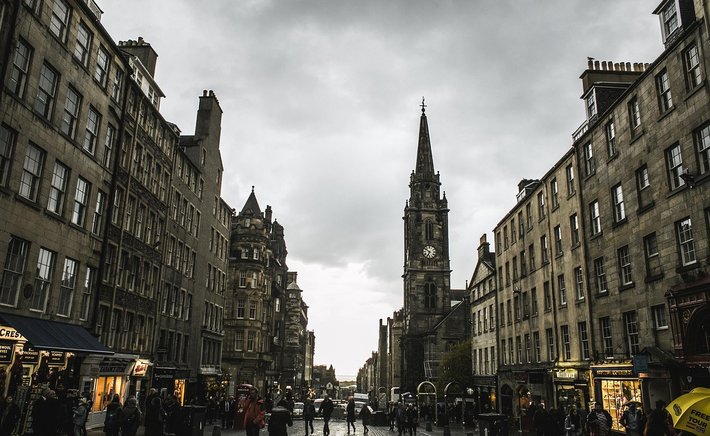
Most fantasy cities are described from a distance, which is the least interesting place to stand. The towers gleam. The banners snap in the wind. The gates are mighty. Then the hero walks through, and suddenly the city becomes a backdrop, a painted cloth that never wrinkles. The reader stops believing in it, even if they cannot say why.
The fix is to get down into the street and stay there. A real medieval city was not a tidy grid of stone. It was a dense, noisy, smelly organism that grew without a plan. Streets curved around old property lines. Buildings leaned over the road until neighbors could nearly touch hands across the gap. The ground was a slurry of mud, dung, and discarded scraps, and everyone knew which way the wind blew because it decided whether you smelled the tannery or the bakery.
The Senses Are the City
Start with sound, because it is the sense writers neglect most. A medieval town did not hum with traffic. It clattered. Cart wheels on cobbles. The blacksmith's hammer, which carried for blocks. Church bells marking the hours. Vendors shouting their wares in a dialect your hero barely understands. Dogs. Children. The low murmur of a crowd that never quite disperses.
Then smell. This is where authenticity lives. Woodsmoke from a hundred hearths. Rotten vegetables in the gutter. The sharp tang of urine from the tanner's yard, where hides were soaked and scraped. Fresh bread from the baker, which cut through everything else and drew people like a magnet. If your hero walks through a city and smells nothing, the city is not real.
Touch matters too. The slickness of wet stone underfoot. The press of bodies in a market square. The rough wool of a stranger's cloak as they shove past. A city is a place where you are constantly in contact with things and people you did not choose, and that friction is the source of half its drama.
Structure Shapes Story
Once the city feels alive, its layout becomes a plot device. Where do the rich live? Usually uphill, where the air is cleaner and the wells are deeper. Where do the poor live? Downhill, near the river, where the flooding happens and the waste collects. Where is the market? At a crossroads, because that is where people already had to pass.
These details are not decoration. They determine who your characters meet, what they see, and how far they have to walk to get anywhere. A messenger running from the docks to the castle passes through every layer of society in fifteen minutes, and that journey is a scene waiting to be written.
Give your city one or two quirks that no other city has. Maybe it is built on a bridge, and the houses hang over the water. Maybe the guilds control the gates, and no one enters without paying a toll in coin or in news. Maybe the old walls are too small, so the city has spilled out into a ring of shanties that the watch refuses to patrol. Quirks create stories. Generic walls do not.
Finally, remember that cities change. A market square on a feast day is a different place than the same square at dawn, when the stalls are empty and the only sound is a dog nosing through the refuse. Show your city at more than one hour, and the reader will believe it keeps existing after they close the book.


Author

22 feb,2025
This incident opened my eyes to the value of Insurance in general, so I decided to examine my personal and business insurance.





Comment (3)
The payments are made directly from one person to another without passing through a central bank or clearing house.
22 feb,2025
ReplyMagic With a Cost: Designing Sorcery That Feels Dangerous
23 feb,2025
ReplyThe Art of the Tavern Scene: Where Stories Begin and End
23 feb,2025
Reply